South China Geographical Journal >
Coupling Coordination and Spatial Differentiation between Country-Level Traffic Flow Factors and Economic Development in Guangdong Province
Received date: 2024-10-28
Revised date: 2025-03-30
Online published: 2026-05-18
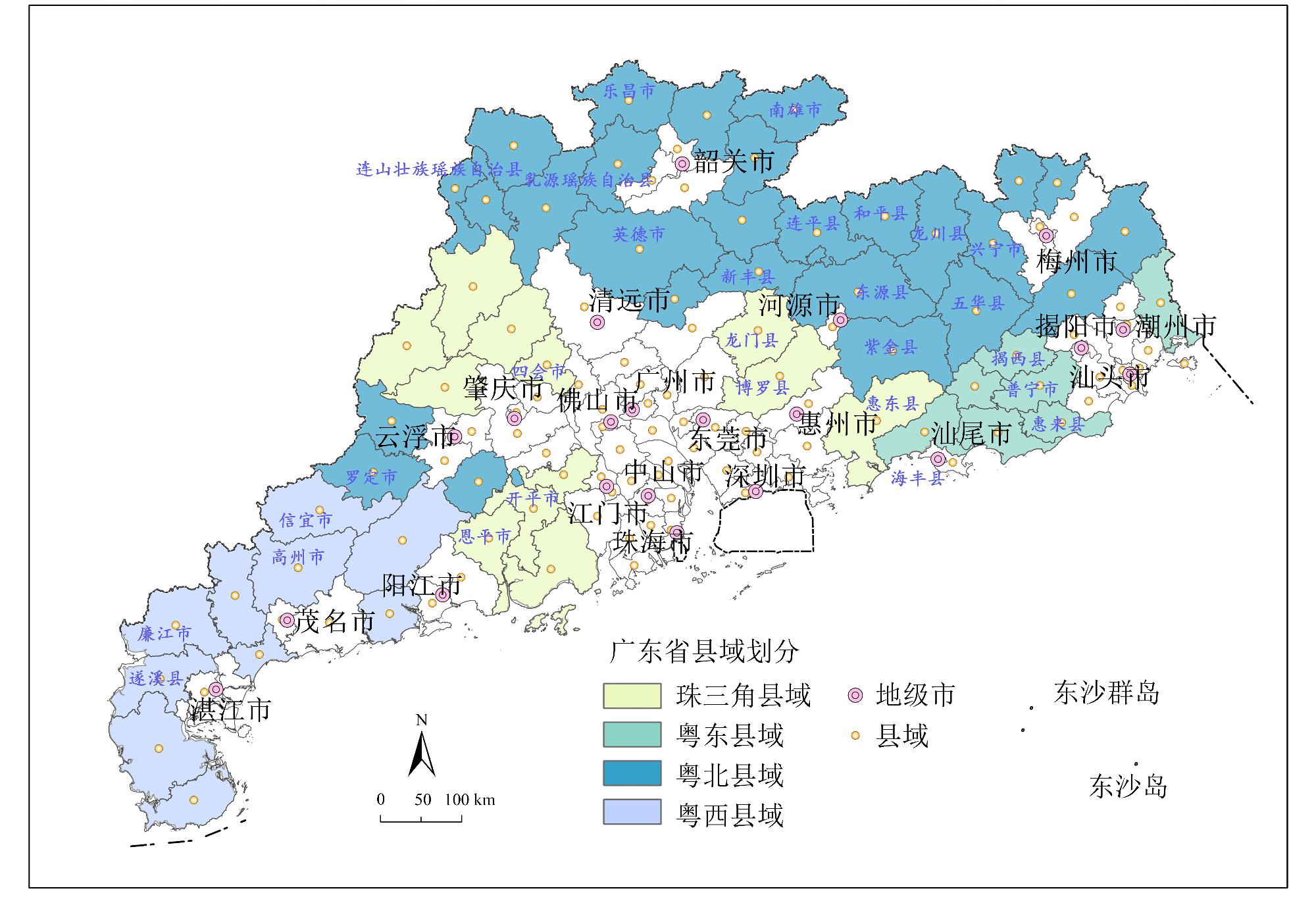
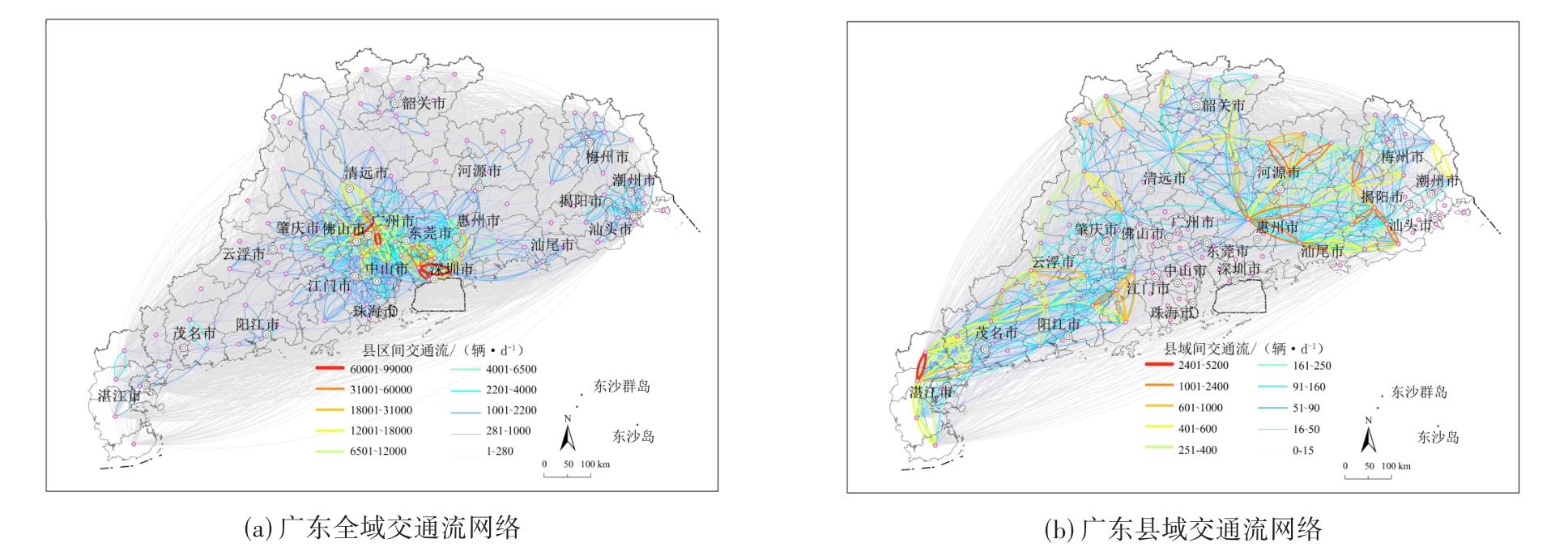
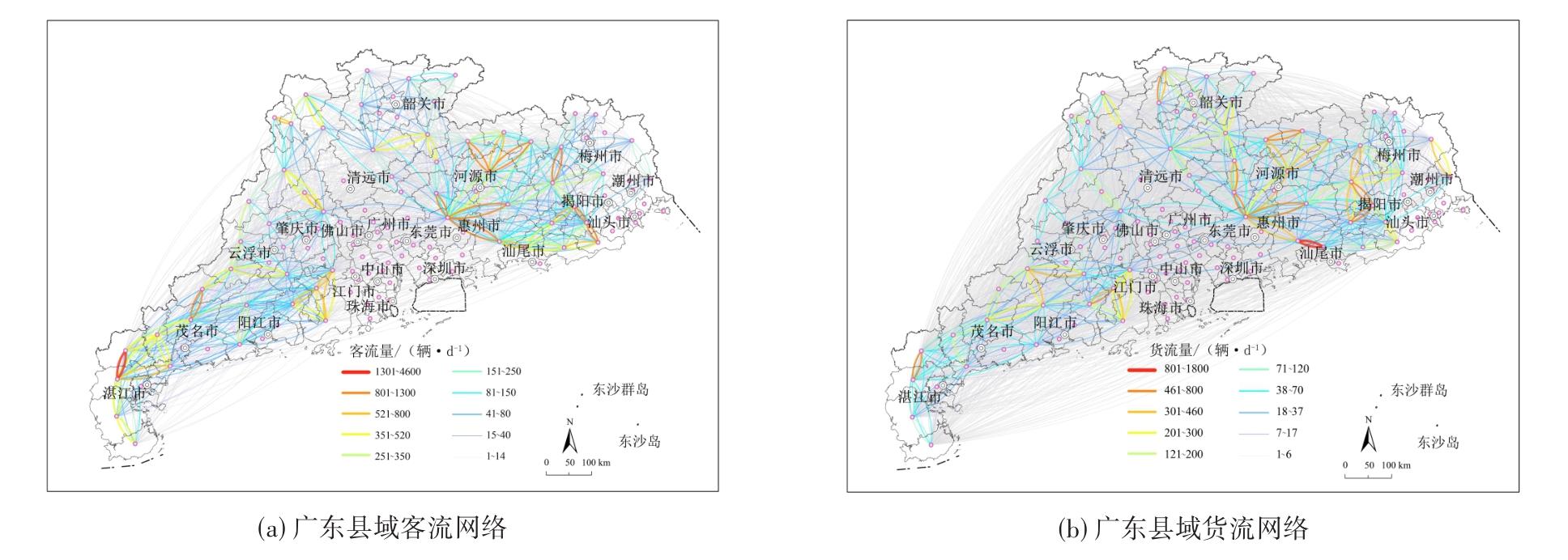
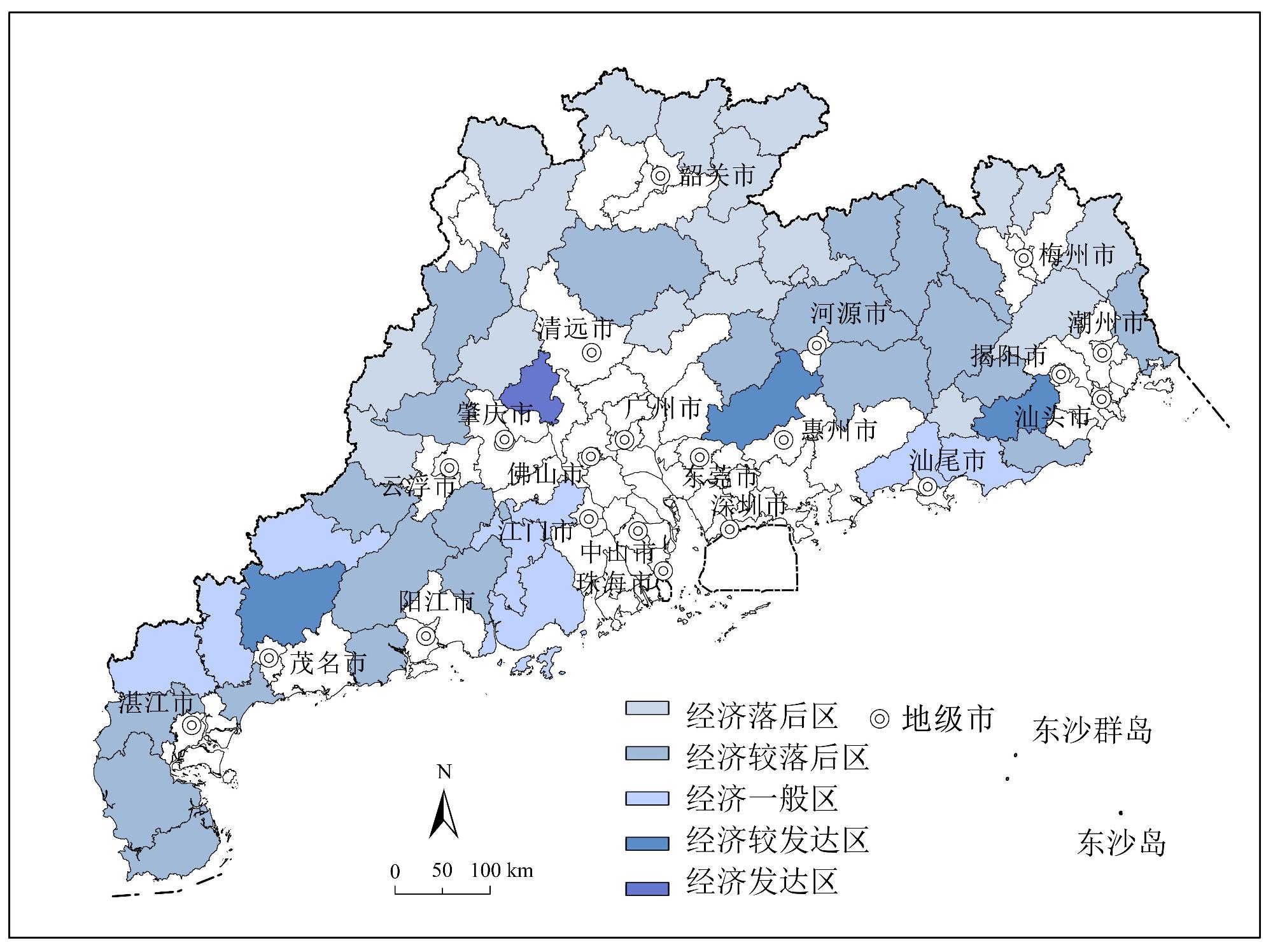
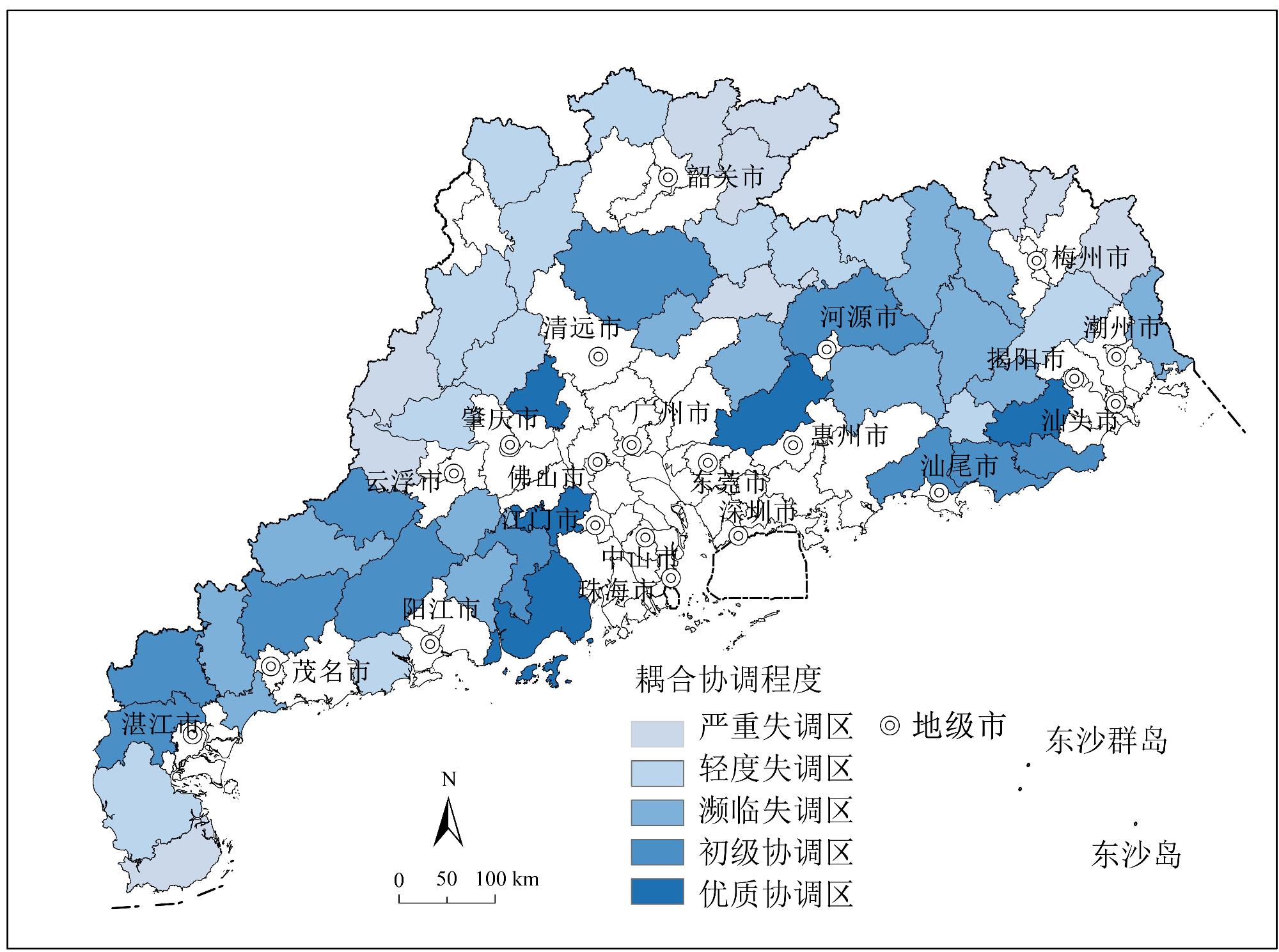
This study focuses on 57 county-level administrative units in Guangdong Province, using flow network analysis and system coordination coupling degree research methods to calculate the coupling degree between the transportation and economic systems, and explore the coordination relationship between factor flows and economic development. Research has found that: (1) The internal county-level units surrounded by Huizhou, Heyuan and Jieyang, as well as the internal county-level units of Zhanjiang City, form two relatively independent high-intensity traffic flow subgroups, which have a strong radiation effect on the traffic flow of surrounding county-level units. (2) There are 15 county-level units with coordinated traffic flow and economic development, 33 county-level units on the brink of imbalance or with slight imbalance, and 8 county-level units with severe imbalance. (3) The coupling coordination degree of traffic flow and economic development exhibits spatial heterogeneity. The coupling coordination degree of county-level units in the Pearl River Delta is relatively good, with economic development and traffic flow development promoting each other; while the coupling coordination degree of county-level units in eastern, western, and northern Guangdong is relatively low, and there is a certain degree of disorder between economic development and transportation system development. The article proposes differentiated transportation optimization strategies and suggestions to improve the long-term guarantee mechanism for county-level finance, thereby promoting high-quality economic development at the county level.
CHEN Jiaxuan , MAI Zhuolin , LI Yuanjun , LIU Qingfang , WU Qitao . Coupling Coordination and Spatial Differentiation between Country-Level Traffic Flow Factors and Economic Development in Guangdong Province[J]. South China Geographical Journal, 2026 , 4(1) : 45 -56 . DOI: 10.20125/j.2097-2245.20240047
表1 县域经济与高速公路交通系统综合评价模型Tab.1 Comprehensive evaluation model of county economy and highway traffic system |
| 子系统 | 指标 | 权重 |
|---|---|---|
| 县域经济系统 | 地区生产总值/亿元 | 0.201 |
| 人均地区生产总值/元 | 0.117 | |
| 第三产业占GDP比重/% | 0.078 | |
| 全社会固定资产投资/亿元 | 0.211 | |
| 社会商品零售总额/亿元 | 0.257 | |
| 地方一般公共预算支出/亿元 | 0.136 | |
| 县域高速公路交通流系统 | 货车度数/辆 | 0.557 |
| 客车度数/辆 | 0.443 |
表2 县域经济与交通耦合协调等级划分标准Tab.2 Standards for classification of coupling coordination degree |
| 耦合协调度D值区间 | 协调等级 | 耦合协调程度 |
|---|---|---|
| (0.0~0.318] | 1 | 严重失调 |
| (0.318~0.401] | 2 | 轻度失调 |
| (0.401~0.475] | 3 | 濒临失调 |
| (0.475~0.594] | 4 | 初级协调 |
| (0.594~1] | 5 | 优质协调 |
表3 县域经济综合发展水平划分标准Tab.3 Standards for classification of comprehensive development level of county economy |
| 经济发展水平区间 | 协调等级 | 耦合协调程度 |
|---|---|---|
| (0.0~0.2] | 1 | 经济落后区 |
| (0.2~0.4] | 2 | 经济较落后区 |
| (0.4~0.6] | 3 | 经济一般区 |
| (0.6~0.8] | 4 | 经济较发达区 |
| (0.8~1] | 5 | 经济发达区 |
表4 广东省县域地区经济与交通子系统评价得分与耦合度值Tab.4 Evaluation scores and coupling degree values of economic and traffic subsystems in county areas of Guangdong Province |
| 区域 | 地级市 | 经济综合 评价得分 | 高速交通流 综合评价得分 | 耦合度 C值 | 区域 | 地级市 | 经济综合 评价得分 | 高速交通流 综合评价得分 | 耦合度 C值 |
|---|---|---|---|---|---|---|---|---|---|
| 珠三角 | 台山市 | 0.56 | 0.32 | 0.963 | 粤北 | 乐昌市 | 0.20 | 0.07 | 0.866 |
| 开平市 | 0.49 | 0.25 | 0.950 | 南雄市 | 0.19 | 0.02 | 0.562 | ||
| 鹤山市 | 0.49 | 0.47 | 1.000 | 仁化县 | 0.13 | 0.04 | 0.857 | ||
| 恩平市 | 0.30 | 0.15 | 0.942 | 始兴县 | 0.12 | 0.05 | 0.888 | ||
| 惠东县 | 0.81 | 0.57 | 0.985 | 翁源县 | 0.17 | 0.11 | 0.980 | ||
| 博罗县 | 0.76 | 1.01 | 0.990 | 新丰县 | 0.14 | 0.07 | 0.955 | ||
| 龙门县 | 0.23 | 0.18 | 0.994 | 乳源县 | 0.15 | 0.07 | 0.927 | ||
| 四会市 | 0.84 | 0.57 | 0.982 | 英德市 | 0.39 | 0.19 | 0.934 | ||
| 广宁县 | 0.18 | 0.07 | 0.897 | 连州市 | 0.20 | 0.12 | 0.963 | ||
| 德庆县 | 0.22 | 0.08 | 0.885 | 佛冈县 | 0.17 | 0.18 | 0.999 | ||
| 封开县 | 0.16 | 0.03 | 0.699 | 阳山县 | 0.16 | 0.07 | 0.920 | ||
| 怀集县 | 0.27 | 0.09 | 0.865 | 连山县 | 0.10 | 0.01 | 0.626 | ||
| 粤东 | 陆丰市 | 0.49 | 0.13 | 0.821 | 连南县 | 0.11 | 0.03 | 0.772 | |
| 海丰县 | 0.49 | 0.18 | 0.885 | 兴宁市 | 0.27 | 0.14 | 0.949 | ||
| 陆河县 | 0.18 | 0.08 | 0.927 | 平远县 | 0.14 | 0.04 | 0.861 | ||
| 饶平县 | 0.32 | 0.14 | 0.917 | 蕉岭县 | 0.12 | 0.04 | 0.884 | ||
| 普宁市 | 0.65 | 0.36 | 0.958 | 大埔县 | 0.15 | 0.06 | 0.914 | ||
| 揭西县 | 0.28 | 0.14 | 0.944 | 丰顺县 | 0.14 | 0.12 | 0.996 | ||
| 惠来县 | 0.32 | 0.18 | 0.959 | 五华县 | 0.26 | 0.20 | 0.990 | ||
| 粤西 | 阳春市 | 0.39 | 0.15 | 0.893 | 东源县 | 0.28 | 0.23 | 0.995 | |
| 阳西县 | 0.24 | 0.11 | 0.930 | 和平县 | 0.21 | 0.05 | 0.794 | ||
| 雷州市 | 0.36 | 0.06 | 0.682 | 龙川县 | 0.29 | 0.11 | 0.895 | ||
| 廉江市 | 0.50 | 0.17 | 0.868 | 紫金县 | 0.27 | 0.14 | 0.951 | ||
| 吴川市 | 0.36 | 0.09 | 0.785 | 连平县 | 0.16 | 0.10 | 0.969 | ||
| 遂溪县 | 0.33 | 0.19 | 0.965 | 罗定市 | 0.39 | 0.17 | 0.921 | ||
| 徐闻县 | 0.24 | 0.03 | 0.659 | 新兴县 | 0.31 | 0.16 | 0.944 | ||
| 信宜市 | 0.58 | 0.07 | 0.629 | 郁南县 | 0.19 | 0.05 | 0.813 | ||
| 高州市 | 0.66 | 0.16 | 0.793 | ||||||
| 化州市 | 0.58 | 0.07 | 0.611 |
| [1] |
翟坤周. 新发展格局下乡村“产业—生态”协同振兴进路——基于县域治理分析框架 [J]. 理论与改革, 2021(3): 40-55.
|
| [2] |
王一鸣. 百年大变局、高质量发展与构建新发展格局 [J]. 管理世界, 2020, 36(12): 1-13.
|
| [3] |
李苑君, 吴旗韬, 张玉玲, 等. “流空间”视角下高速公路交通流网络结构特征及其形成机制——以广东省为例 [J]. 地理研究, 2021, 40(8): 2204-2219.
|
| [4] |
王磊, 翟博文. 长江经济带交通基础设施对经济增长的影响 [J]. 长江流域资源与环境, 2018, 27(1): 6-12.
|
| [5] |
|
| [6] |
|
| [7] |
王少剑, 高爽, 王宇渠. 基于流空间视角的城市群空间结构研究——以珠三角城市群为例 [J]. 地理研究, 2019, 38(8): 1849-1861.
|
| [8] |
杜伊冉, 于春萍, 王紫嫣, 等. 高速交通优势度演变及其差异化人口、经济响应——以山东省为例 [J]. 地理与地理信息科学, 2024, 40(6): 95-101.
|
| [9] |
|
| [10] |
古恒宇, 沈体雁. 中国高学历人才的空间演化特征及驱动因素 [J]. 地理学报, 2021, 76(2): 326-340.
|
| [11] |
段杰, 王炜. 多维邻近视角下珠三角电子信息产业集群创新网络演化机理分析 [J]. 华南地理学报, 2023, 1(2): 27-38.
|
| [12] |
郭向阳, 穆学青, 明庆忠. 云南省旅游经济与交通系统耦合空间态势分析 [J]. 经济地理, 2017, 37(9) :200-206.
|
| [13] |
|
| [14] |
|
| [15] |
|
| [16] |
陈舒婷, 李裕瑞, 潘玮, 等. 中国县域陆路交通优势度格局演化及经济效应 [J]. 地理学报, 2022, 77(8): 1937-1952.
|
| [17] |
余菲菲, 胡文海, 荣慧芳. 中小城市旅游经济与交通耦合协调发展研究——以池州市为例 [J]. 地理科学, 2015, 35(9): 1116-1122.
|
| [18] |
|
| [19] |
李新光, 黄安民. 高铁对县域经济增长溢出效应的影响研究——以福建省为例 [J]. 地理科学, 2018, 38(2): 233-241.
|
| [20] |
田野, 付晨玉, 蒋亮, 等. 考虑航空影响的长江经济带城市交通通达性与区域经济空间耦合协调研究 [J]. 地理与地理信息科学, 2023, 39(6): 84-90, 114.
|
| [21] |
张维阳, 李慧, 段学军. 城市轨道交通对住宅价格的影响研究——以北京市地铁一号线为例 [J]. 经济地理, 2012, 32(2): 46-51, 65.
|
| [22] |
罗金阁, 张博, 刘嗣明. 粤港澳大湾区交通可达性与旅游经济联系空间关系 [J]. 经济地理, 2020, 40(10): 213-220.
|
| [23] |
严桂琴. 数字经济与城市轨道交通产业耦合协同发展研究 [J]. 城市轨道交通研究, 2024, 27(9): 350-352.
|
| [24] |
柯文前, 陈伟, 陆玉麒, 等. 基于高速公路流的江苏省城市网络空间结构与演化特征 [J]. 地理科学, 2019, 39(3): 405-414.
|
| [25] |
蒋海兵, 张文忠, 祁毅, 等. 基于可达性分析的高速公路投资空间溢出效应 [J]. 地理研究, 2014, 33(1): 71-82.
|
| [26] |
商玉萍, 庄德林, 孟美侠, 等. 高速公路对城市多中心空间结构的影响 [J]. 地理科学, 2024, 44(5): 819-830.
|
| [27] |
程利莎, 王士君, 田俊峰, 等. 基于政府采购活动交易数据的东北地区城市网络研究 [J]. 地理科学, 2021, 41(8): 1458-1468.
|
| [28] |
周成, 冯学钢, 唐睿. 区域经济-生态环境-旅游产业耦合协调发展分析与预测——以长江经济带沿线各省市为例 [J]. 经济地理, 2016, 36(3): 186-193.
|
| [29] |
徐维祥, 李露, 周建平, 等. 乡村振兴与新型城镇化耦合协调的动态演进及其驱动机制 [J]. 自然资源学报, 2020, 35(9): 2044-2062.
|
| [30] |
刘莉, 汪丽娜. 基于水资源条件-经济耦合协调关系的空间区划研究 [J]. 热带地貌, 2022, 43(1): 50-57.
|
| [31] |
郭向阳, 穆学青, 明庆忠, 等. 旅游地交通服务功能与旅游强度协调时空分异特征——以云南省为例 [J]. 自然资源学报, 2020, 35(6): 1425-1444.
|
| [32] |
王淑佳, 孔伟, 任亮, 等. 国内耦合协调度模型的误区及修正 [J]. 自然资源学报, 2021, 36(3): 793-810.
|
| [33] |
孟德友, 陆玉麒, 樊新生, 等. 基于投影寻踪模型的河南县域交通与经济协调性评价 [J]. 地理研究, 2013, 32(11): 2092-2106.
|
| [34] |
刘传明, 曾菊新. 县域综合交通可达性测度及其与经济发展水平的关系——对湖北省79个县域的定量分析 [J]. 地理研究, 2011, 30(12): 2209-2221.
|
| [35] |
蒋天颖, 刘程军. 长江三角洲区域创新与经济增长的耦合协调研究 [J]. 地域研究与开发, 2015, 34(6): 8-13, 42.
|
/
| 〈 |
|
〉 |